Self-forgiveness, self-condemnation, and spiritual well-being in clinical psychology
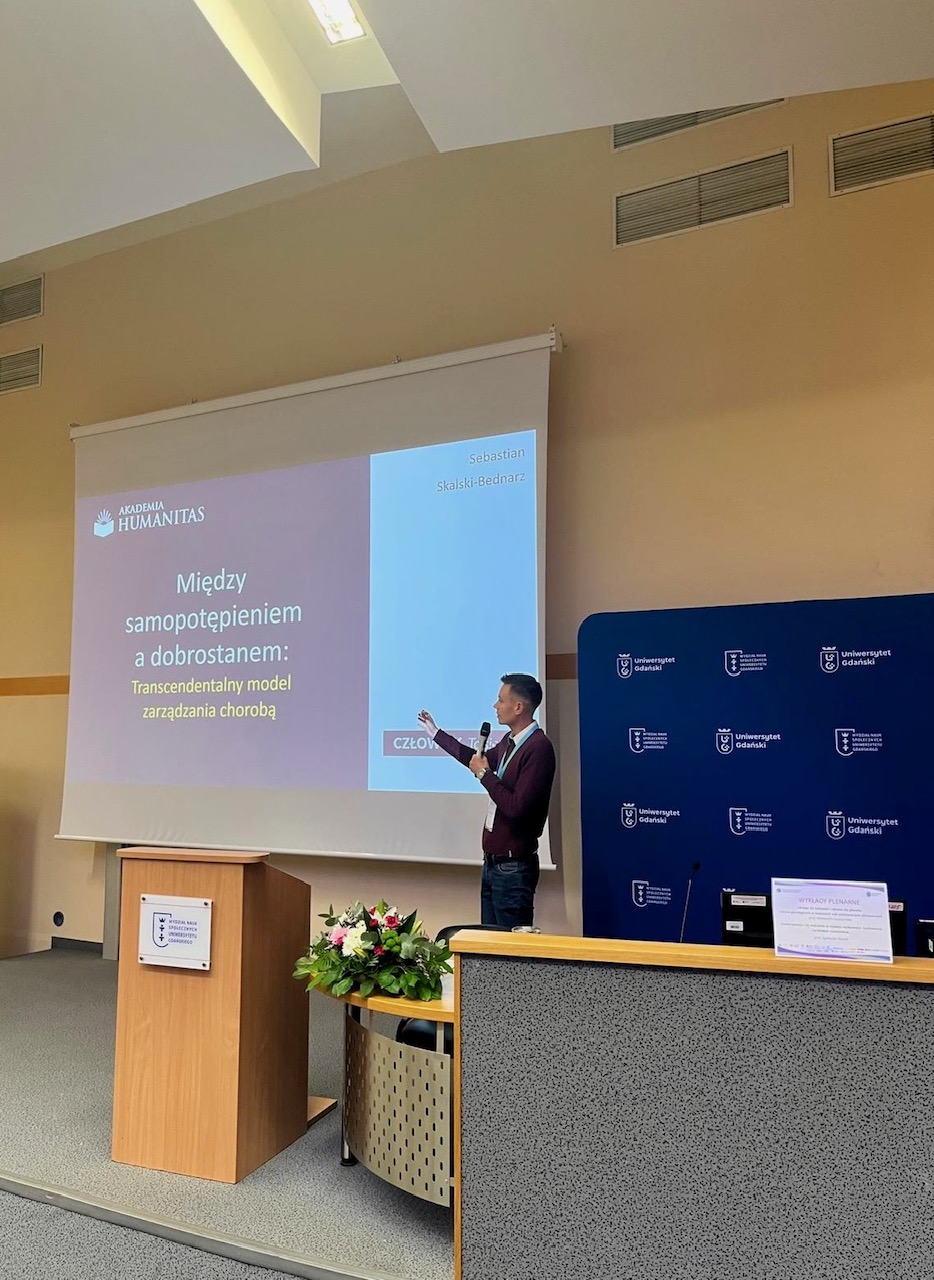
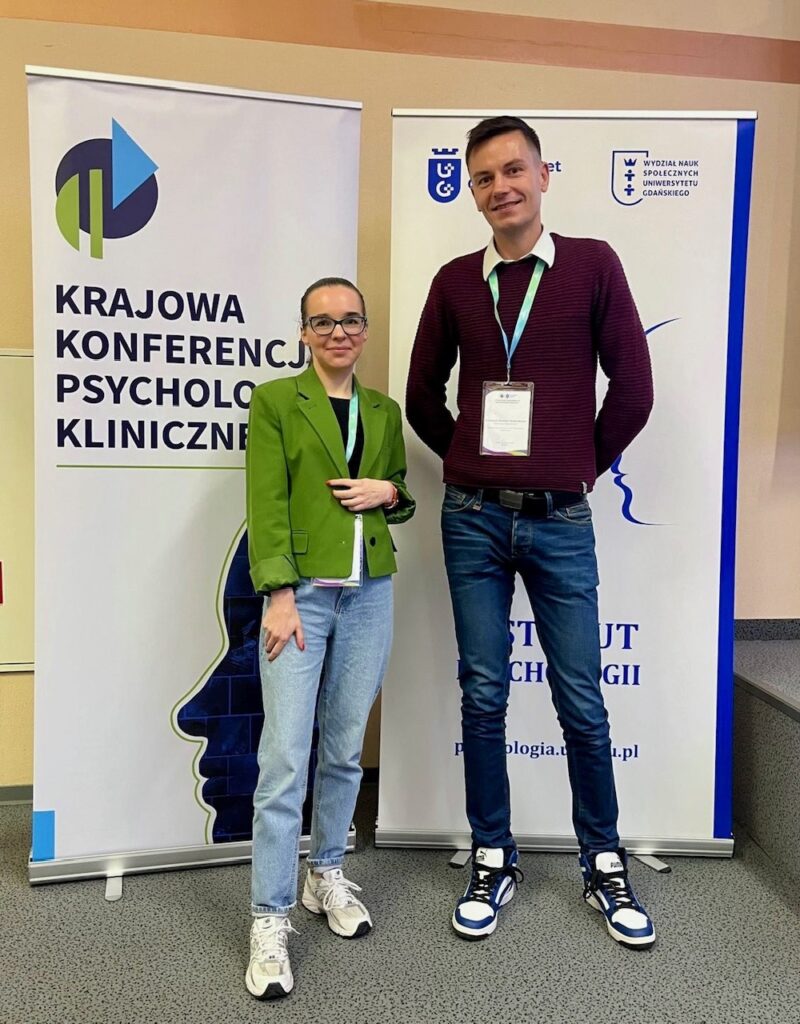
At the 6th National Conference on Clinical Psychology – “Clinical psychology in the care of health” held at the University of Gdańsk, I had the honor of representing Humanitas University and sharing my reflections on an often-overlooked dimension of psychological and spiritual health: self-forgiveness.
My presentation focused on the role of self-forgiveness as a psychological and spiritual mechanism that allows individuals to release themselves from self-condemnation. This inner shift does not mean ignoring responsibility or dismissing past choices, but rather cultivating a path toward healing, spiritual growth, and overall well-being. For oncology patients in particular, the burden of self-condemnation may intensify emotional suffering and obstruct coping processes. In this context, self-forgiveness can provide a profound resource for resilience and inner peace.
Conferences such as this one remind us of the importance of integrating multiple perspectives—clinical, existential, and spiritual—into the understanding of health. They offer a unique platform for psychologists, researchers, and practitioners to exchange ideas on how human beings can flourish even in the face of illness and adversity.
I remain deeply grateful for the opportunity to contribute to this dialogue and to highlight the intersection between psychology, spirituality, and health.